
The Allure of Chance
The inherent thrill of chance plays a significant role in why individuals are drawn to casino games. The unpredictability of outcomes generates excitement, creating a unique emotional experience that many find intoxicating. For instance, many people engage in offshore betting due to the unique thrill it offers, much like the rush of adrenaline gamblers feel when they place a bet or pull the lever on a slot machine. This possibility of winning—even if slim—sparks hope and anticipation.
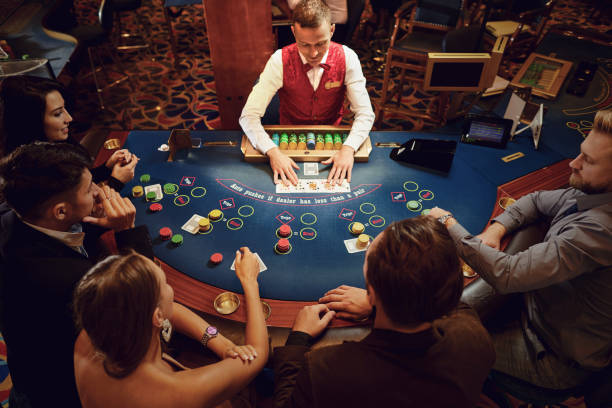
This sensation is not just about the potential for monetary gain but also the experience of uncertainty and the joy found in risk-taking. Many players equate gambling with adventure, making the act itself a significant attraction beyond just the payouts. This psychological gamble transforms a simple game into a thrilling event, where the outcome is always uncertain.
The Role of Reward Systems
Casino games are meticulously designed to exploit the brain’s reward system. When a player wins, the brain releases dopamine, a neurotransmitter associated with pleasure and reinforcement. This chemical reaction not only rewards success but encourages repeated behavior, leading to a cycle where individuals come back for more. The anticipation of a win can create an addictive cycle that many find difficult to break.
Furthermore, casinos utilize various strategies—such as free spins, bonus rounds, or loyalty programs—to enhance this reward feeling. By offering small wins or additional perks, casinos keep players engaged and create a sense of belonging, leading them to return frequently. Understanding this dynamic highlights the psychological underpinnings of why people gamble and the sophisticated methods employed by casinos to keep them coming back.
Social Interaction and Gamification
Another compelling reason people gamble is the social element that is often intertwined with gaming experiences. Many gamblers enjoy the camaraderie found at a casino, where they can share in the highs and lows of gaming with others. This social interaction can significantly enhance the enjoyment of the games, offering players a sense of community and belonging.
Additionally, the gamification of casino games—where elements of game design are applied to enhance user engagement—creates a stimulating environment. Interactive features, competitive leaderboards, and social sharing all contribute to a player’s experience, making gambling not only a solitary activity but also a social event. Through these interactions, individuals find emotional connections, further fueling their desire to participate in gambling activities.
The Psychological Impact of Loss Aversion
The concept of loss aversion plays a crucial role in gambling behavior. Humans generally prefer avoiding losses over acquiring equivalent gains, which can significantly impact decision-making in casinos. This psychological trait often leads players to chase losses, believing that they can regain what they have lost through more gambling.
This mindset can create a cycle of persistent gambling, where individuals continue to bet in hopes of recouping losses despite potential financial ruin. The casino environment, combined with the emotional weight of loss aversion, makes it challenging for players to recognize when to quit, often leading them deeper into the world of gambling.
Understanding Online Casino Security
As the digital era progresses, the landscape of gambling has shifted towards online platforms. With advancements in technology, ensuring a secure online gambling experience is paramount. Many online casinos prioritize user security, with robust systems in place to protect against threats and maintain player confidentiality.
This focus on safety enhances trust among players, allowing them to enjoy their gaming experiences without worrying about potential breaches. Understanding the significance of security measures in online gambling not only reassures players but also contributes to a more enjoyable overall experience in the digital gambling landscape.
Comments are closed